LinkedIn outreach method note
Expandi Features, Pricing Plans 2026, and the Revenue Ops Buyer's FAQ
· Julian Hartwell
-
1. Is Expandi a LinkedIn automation tool or a full prospecting stack?
-
2. What are the main Expandi features I should actually care about?
-
3. What do Expandi pricing plans look like in 2026?
-
4. Is Expandi worth it as a lead gen tool?
-
5. When someone says "intent data ABM platform," what should revenue ops teams ask?
-
6. What should revenue operations teams evaluate in a sales intelligence platform overview?
-
7. What if I'm deciding between Expandi and a cheaper lead gen tool?
When I first started evaluating LinkedIn automation and prospecting tools for our 42-person B2B company, I assumed the platform with the most buttons wins. Three vendor demos and one painful implementation later, I learned to ask about the workflow, not the feature list. This FAQ is based on that process.
If you're comparing Expandi features, trying to understand Expandi pricing plans 2026, or wondering if an intent data ABM platform is worth the money, start here.
1. Is Expandi a LinkedIn automation tool or a full prospecting stack?
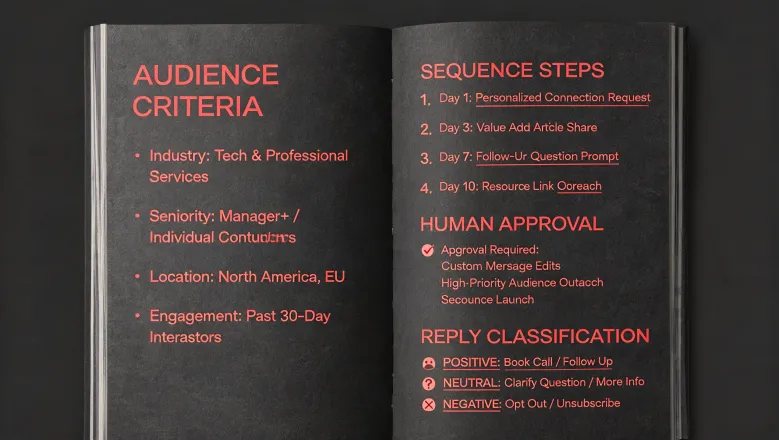
Both, but "automation" undersells it. Expandi sits in the middle of the sales prospecting stack: LinkedIn outreach, cold email follow-up, email finding and verification, and data enrichment. The newer agent-native workflows build sequences that react to a prospect's behavior instead of sending a fixed cadence.
For example, if a prospect's title changes or they view your pricing page, the workflow can update the next step without you touching it. That matters because it turns a simple send-and-pray sequence into something closer to a revenue operating system.
(Should mention: your mileage depends on integrations. We connected HubSpot and Zapier in about an afternoon. The API docs are solid, but if you're not comfortable with webhooks, plan for a setup call.)
2. What are the main Expandi features I should actually care about?
In the 2026 version, the features that earned their keep for us:
- LinkedIn outreach sequences with safety controls like account warming, daily limits, and randomized delays.
- Email finder and verification so you don't waste sequences on bad addresses.
- Data enrichment that pulls job changes, company size, and technology signals to keep list segments fresh.
- Intent data / ABM layer that flags accounts showing buying behavior — e.g., hiring in a department, installing a competing tool, or increasing job postings.
I know "intent data" sounds like a buzzword. It can be. But when it's connected to a workflow, it's the difference between contacting a company right after they post a relevant role and contacting them six months late. That timing is not a nice-to-have.
3. What do Expandi pricing plans look like in 2026?
As of early January 2026, the pricing page I reviewed showed three paid tiers plus a custom enterprise plan. Paid plans start around $49/month when billed annually, the mid-tier is roughly $99/month, and the top tier is around $199/month. Exact prices and included limits vary — and I might be misremembering the current plan names — so verify the live pricing page before you build a budget.
Pricing data based on publicly listed Expandi plans, accessed January 2026. Verify current rates on expandi.com before purchasing.
What matters more than the sticker price is what changes between tiers: number of LinkedIn accounts, seats, and API access. If you have one SDR doing outreach, the starter plan is probably enough. If you have a revenue ops team managing multiple reps, the higher tiers pay for themselves in reduced admin work.
Don't ask "which plan is cheapest?" Ask "which plan guarantees I can run my workflow without losing a week to account blocks?" That's where the certainty premium lives.
4. Is Expandi worth it as a lead gen tool?
For our use case, yes — but only because we defined "worth it" upfront. If you just need a one-off list of emails, a cheaper data provider is fine. If you need a continuous pipeline of warm-ish accounts, Expandi's combination of LinkedIn automation, email verification, and enrichment is more defensible.
I have mixed feelings about lead gen tools in general. On one hand, they feel like they should be a commodity by now. On the other, I've watched a tool with a slightly lower price deliver a 12% bounce rate and burn our domain reputation. The cheaper email list cost us two weeks of deliverability recovery. Expandi's verification layer isn't a feature; it's insurance.
5. When someone says "intent data ABM platform," what should revenue ops teams ask?
Ask where the intent data comes from. Is it based on job postings, technographic changes, or ICP expansion? Ask how often it updates. Ask whether the platform can push the signal into your CRM automatically — because if you have to export a CSV every week, the "ABM platform" is just a report generator.
Looking back, I should have asked these questions before our first ABM pilot. At the time, I was so focused on the interface that I didn't audit the data sources. The result was a list of accounts that were "technically expanding" but not actually in a buying cycle. We paid for a spotlight on an empty stage.
6. What should revenue operations teams evaluate in a sales intelligence platform overview?
This is the question I wish more analysts asked. In my checklist:
- Data freshness: Do they verify emails monthly, quarterly, or once at original purchase?
- Coverage: Does the platform actually have contacts in your target industries, or is it concentrated in tech/SaaS?
- Intent methodology: Can they explain, in plain language, how an account becomes "in-market"?
- Integration: Native CRM sync vs. relying on Zapier? Both work, but native is less brittle.
- Compliance and security: SOC 2, GDPR handling, and LinkedIn terms awareness. Don't skip this.
- Support SLA: What happens when a sequence gets blocked on Friday afternoon? Is there a human?
Of these, support is the one people underestimate. (Should mention: I once had to wait 36 hours for a vendor response during a campaign launch. The delay cost more than the monthly subscription.)
7. What if I'm deciding between Expandi and a cheaper lead gen tool?
Here's where the "time certainty" viewpoint kicks in. If you have a hard deadline — a product launch, a Q3 pipeline gap, a board meeting — the cost of missing that deadline is almost never the $50 or $100 per month you saved.
When I first started managing software vendor relationships, I assumed the lowest quote was always the best choice. Three budget reviews later, I learned about total cost of ownership. A tool that saves you two hours per week and delivers higher reply rates is worth more than a tool that's free but requires manual cleanup.
Expandi isn't the cheapest. To be fair, no serious prospecting tool is cheap once you add enrichment and intent data. But you're not buying software. You're buying a predictable workflow. In 2026, that's the only thing that matters.

Julian Hartwell
Julian Hartwell is an independent B2B sales intelligence analyst covering contact databases, company data, decision-maker profiles, direct dials, prospect lists, and buying signals. He applies the ISO/IEC 25012 data-quality model while examining field accuracy, coverage, freshness, duplicate rate, match confidence, and source transparency. His evidence-led guides help revenue teams compare prospecting platforms, define acceptable data thresholds, and build account lists that support reliable territory planning and outreach.